Better Bathing, Dressing, and Dining: ADL Support in Small Elderly Care Houses
Business Name: BeeHive Homes of Albuquerque West
Address: 6000 Whiteman Dr NW, Albuquerque, NM 87120
Phone: (505) 302-1919
BeeHive Homes of Albuquerque West
At BeeHive Homes of Albuquerque West, New Mexico, we provide exceptional assisted living in a warm, home-like environment. Residents enjoy private, spacious rooms with ADA-approved bathrooms, delicious home-cooked meals served three times daily, and the benefits of a small, close-knit community. Our compassionate staff offers personalized care and assistance with daily activities, always prioritizing dignity and well-being. With engaging activities that promote health and happiness, BeeHive Homes creates a place where residents truly feel at home. Schedule a tour today and experience the difference.
6000 Whiteman Dr NW, Albuquerque, NM 87120
Business Hours
Clever technology and classy decoration might impress on a tour, but long term comfort in assisted living or a small residential care home boils down to something more basic: how well staff assistance bathing, dressing, and dining each and every single day.
These are not glamorous jobs. They are repeated, intimate, and often messy. When they are succeeded, they vanish into the background and an older adult feels merely like themselves. When they are rushed or mishandled, you see the fallout quickly: weight-loss, skin issues, urinary infections, withdrawal, agitation, or simply a quiet loss of confidence.
Small elderly care homes, sometimes called residential care homes, board and care, or family care homes depending on the state, can be especially well matched to support Activities of Daily Living (ADLs). The scale is smaller, routines are more flexible, and personnel often know each resident as a person, not as a room number. That stated, quality differs widely, and small does not automatically imply good.
This article looks carefully at how bathing, dressing, and dining can and ought to operate in a well run small home, what trade offs to anticipate, and what households can look for when assessing senior care or planning respite care stays.
Why ADL assistance in small homes is different
In larger assisted living neighborhoods, the day frequently focuses on a master schedule: a specific variety of showers weekly, fixed meal times, medication rounds, and so on. There are benefits to a structured system, however it can feel stiff and institutional.
Small homes, particularly those with 6 to 10 homeowners, normally operate more like a household. There may be one or two caretakers present at a time, often sharing duties for cooking, laundry, and direct care. Because setting, ADLs are woven into common life. Someone might help Mr. James bathe after breakfast when he feels greatest, then set the table with Mrs. Patel before lunch, while another resident naps in their space with the door open so they can hear the bustle.

The essential distinctions I see in well run small homes are:
- The exact same personnel assist with the same resident frequently, so trust builds and subtle changes are observed quickly.
- Routines can be changed more quickly to personal preferences and cultural habits.
- The physical environment tends to be domestic rather than institutional, which changes how bathing and dining, in specific, feel.
These are advantages only if the home is appropriately staffed and led by somebody who understands both the medical requirements of older adults and the emotional weight of depending on others for fundamental tasks.
Bathing: self-respect, safety, and rhythm
Bathing is one of the most intimate types of care and frequently the most mentally charged. Many older adults accept help with medications or housework long before they feel ready to let another person see them undressed. In small elderly care homes, the way bathing is dealt with sets the tone for the entire care relationship.
Matching frequency to truth, not a spreadsheet
Regulations in most states define minimum bathing frequency in certified senior care or assisted living settings, often something like twice a week. Households in some cases assume more frequent showers equivalent better care. In practice, it is more nuanced.
Comfort, skin condition, mobility, and individual history needs to shape the strategy. Someone with fragile skin or chronic eczema may do better with less complete showers and more targeted washing. A person who invested a life time bathing every evening may feel disoriented or "dirty" if personnel press them to a twice-weekly morning schedule for staffing convenience.
In a good home, staff can tell you, without examining a chart, how typically everyone chooses to bathe, what works best to inspire them on a hard day, and who needs more aid with hair or feet. Caregivers likewise know which homeowners become woozy in hot water, who will sit safely on a shower chair without constant hands-on support, and who requires a two individual assist.
The physical setup in small homes
Most small residential care homes were originally developed as routine houses, then adjusted. This creates real restraints. Corridors can be narrow, bathrooms may have basic tubs instead of roll-in showers, and there may not be area for a full mechanical lift near the shower.
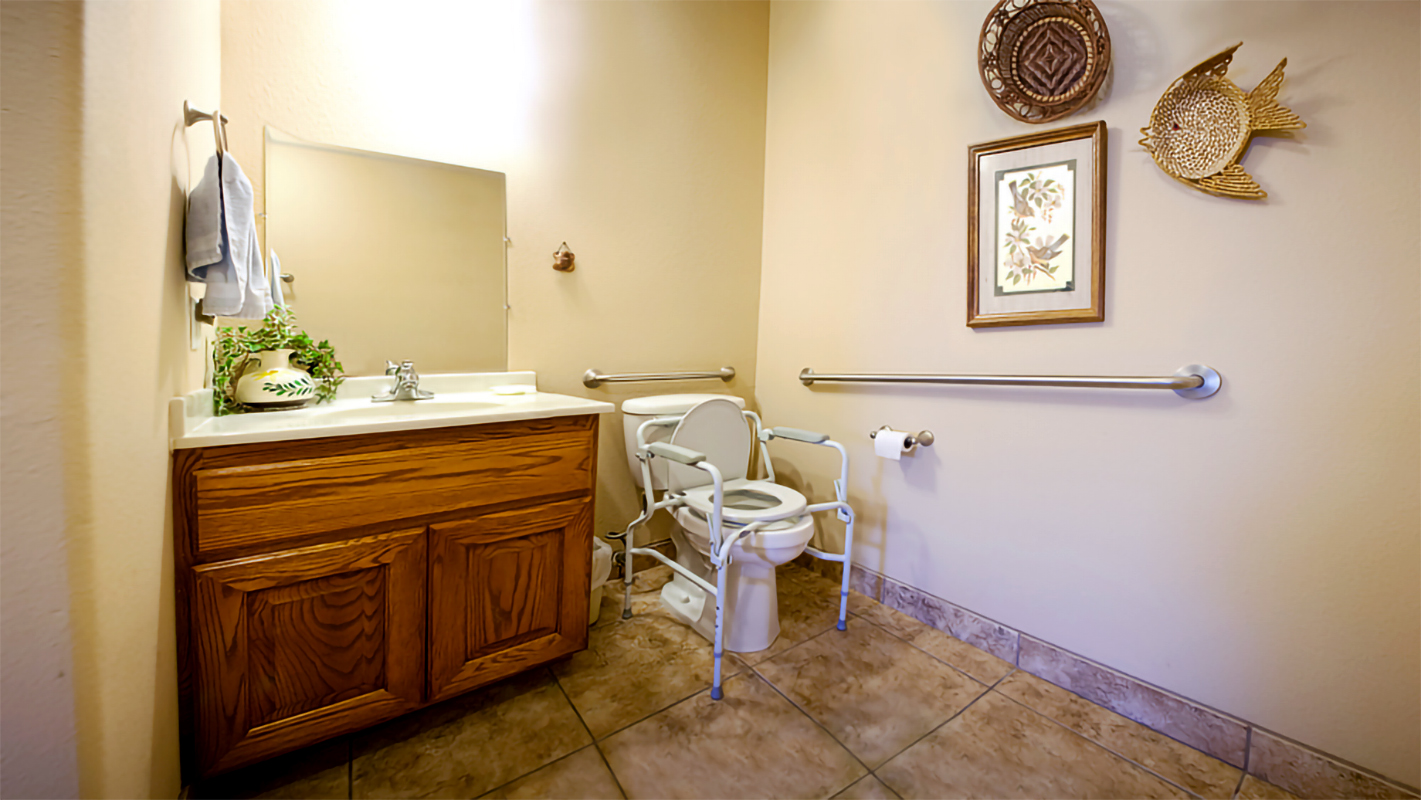
I have seen homes make wise, modest changes that improve things considerably: wall-mounted grab bars in logical places, handheld showerheads, steady shower chairs, non-slip floor covering, and simple personal privacy services like an additional robe hook and a warm towel prepared before the resident disrobes. Bathing then feels less like a center treatment and more like being cared for at home.
When touring, take a look at the restroom really utilized for bathing, not the best guest bath. Exists space for 2 individuals if somebody requires more support? Can a wheelchair turn safely? Do you see soap, hair shampoo, and cream that match what locals like, or only generic item purchased in bulk?
Handling worry, pain, and dementia
In memory care or among citizens with dementia, bathing can be one of the most difficult jobs. You may see what appears like persistent refusal, but typically it is worry, confusion, or pain that the person can not articulate.
What separates skilled caregivers from those who just "finish the job" is their capability to decrease and flex. Possibly Ms. Lopez, who has arthritis, withstands showers since the water pressure hurts and the air feels cold on her joints. A warm washcloth bath at the sink on difficult days, done carefully while chatting about her grandchildren, might keep her simply as tidy with far assisted living albuquerque new mexico less distress.
I have actually viewed caretakers turn things around with simple changes: cleaning hair on a different day from the shower, letting the resident hold a preferred towel over their chest for modesty, or playing a particular tune during bath time due to the fact that it assists set a familiar rhythm. Small homes are especially fit to this level of personalization due to the fact that there are less contending demands and less strangers involved.
Dressing: more than putting on clothes
Dressing support is easy to underestimate. To relative focused on security or medical conditions, clothes might seem minor. To the person receiving care, clothing is identity, self-respect, and autonomy.
Supporting independence, not just efficiency
In a busy home, there is constant pressure to move quicker. It is quicker for personnel to pull on someone's socks and fasten their buttons. The issue is that each time we take over a step, the individual gets less practice and might lose the ability quicker. In expert elderly care, the goal should be to help the resident do as much as they can, as safely as they can, for as long as they can.
In small homes with consistent staffing, caretakers normally have a sense of the length of time somebody requires to dress and can factor that into the morning regimen. For Mr. Carter, that may indicate starting his day thirty minutes earlier so he can work through his own t-shirt buttons with client triggering. For Ms. Evans, it may mean establishing her clothes in natural order and offering steadying hands when she stands, but letting her guide the sleeves and pant legs.
You can frequently see this approach in action: residents may appear a little mismatched or wearing that cherished cardigan with frayed cuffs, since personnel picked autonomy over perfection.
Choosing the ideal clothing and adaptive options
Clothing decisions can cause genuine friction if not handled thoughtfully. Households in some cases bring complex attire or shoes with high heels due to the fact that "mom constantly used these." Staff then face a dispute in between respecting long standing choices and preventing falls or pressure injuries.
A knowledgeable manager will satisfy families halfway. Perhaps the resident wears her dress shoes for brief visits in the common area, however has much safer, supportive slippers with grippy soles for strolling and transfers. Or a preferred blouse is adapted that closes with Velcro in the back while maintaining the usual front buttons for appearance.
Adaptive clothing can be a substantial aid, however it needs to be introduced sensitively. Tear away trousers for incontinence or open back tops for people who spend the majority of the day seated are useful, yet they can feel demeaning if they are the only choices. I motivate households to test one or two pieces in the house before a move, or introduce them gradually during respite care stays so the person has time to adjust.
Cultural and personal style
Small homes that do this well take notice of cultural and individual standards. A resident who has actually constantly worn a headscarf or turban need to not need to argue about it, even if a team member finds it unknown. Someone who cared deeply about style and makeup may feel lost if every day becomes sweatpants and a sweatshirt.
Good caretakers notice and lean into these details. They may provide to paint nails on a Sunday afternoon, set out a favorite tie for household visits, or watch on flexible waistbands that have ended up being too tight since the resident has actually gotten a little weight.
Dressing is where small, human gestures build up into a sense of self. When examining a home, do not just take a look at the posted care plan. Look at the locals. Do they look like distinct individuals with distinct designs, or does everybody appear dressed from the same bulk order?
Dining: nourishment, security, and pleasure
Food is the emphasize of the day for lots of locals. It is likewise among the hardest elements of care to solve in time. Physical modifications in taste, smell, digestion, and swallowing hit staffing patterns, spending plans, and regulatory expectations.
Small homes have a huge advantage here if they actually prepare, instead of depend on heat-and-serve frozen meals. The odor of breakfast on the stove, the sound of a pot being stirred, and the sight of somebody setting out placemats in a typical sized dining room all signal comfort.
Balancing medical diet plans and genuine appetites
Older adults frequently bring a long list of dietary limitations into assisted living or other senior care settings. Low sodium, diabetic diet plans, fluid constraints, thickened liquids, renal diet plans for kidney illness, or mechanical soft and pureed textures for swallowing problems are common.
In theory, each constraint is very important. In reality, stacking them all sometimes leaves a plate that looks unattractive and barely consumed. Weight-loss and frailty can be a greater instant danger than the long term repercussions of a more liberalized diet.
A thoughtful technique includes real collaboration between the medical care supplier, the home's supervisor, and the resident or family. For an 88 years of age with diabetes who keeps reducing weight, it might be affordable to prioritize appetite and pleasure, keeping track of blood sugars however permitting preferred foods in regulated parts. On the other hand, for a resident with sophisticated cardiac arrest who is constantly brief of breath, remaining within salt limitations might be crucial to prevent repeated hospitalizations.
What I look for in a small home is not one "ideal" policy but the ability to discuss why they are doing what they are providing for everyone, and how they keep an eye on for problems such as choking, goal pneumonia, or quick weight change.
The physical and social side of meals
The physical setup of the dining area in a small home shapes both appetite and security. Tables at a suitable height for wheelchairs, durable chairs with arms, excellent lighting, and affordable sound levels all matter. So does versatility. Some citizens love a foreseeable seat among the same three tablemates. Others require to sit nearer the kitchen area where they can see food cooking to promote appetite.
Small homes can respond more fluidly than big assisted living facilities when somebody's abilities alter. If a resident starts requiring more aid with cutting meat, a caregiver can often sit beside them and help in the minute. If Mrs. Nguyen consumes very slowly however enjoys lingering at the table, personnel can clear meals from others and keep her company with a cup of tea instead of hustling her along to satisfy a rigid schedule.
Socially, meals are one of the most effective tools to reduce seclusion. In a well run home, staff sit and eat with citizens a minimum of periodically instead of hovering at the edges. Conversations specify and respectful, not child talk. You hear stories about previous vacations, grandchildren, old tasks and journeys, not just "time to eat" and "take another bite."
Texture, swallowing, and dementia
Swallowing problems prevail and often under acknowledged. Coughing with sips of water, swiping food in the cheeks, or taking a very long time to end up meals can all be signs of dysphagia. In small homes, caretakers tend to see modifications quickly, but they may not constantly understand what to do next.
The finest homes partner with speech therapists or dietitians who can advise suitable texture adjustments, teach personnel safe feeding methods, and reassess routinely. Thickened liquids, for instance, can reduce aspiration risk for some individuals, however many homeowners dislike the texture and drink far less, which can cause dehydration and urinary concerns. There is no alternative to customized assessment.
For homeowners with dementia, dining can become complicated. They may no longer acknowledge utensils, consume from a neighbor's plate, or forget they just consumed. Staff in small memory care homes often use visual hints such as contrasting plate colors, providing finger foods that can be picked up easily, and presenting one or two food items at a time to prevent overload. These strategies are useful and low cost, yet they need patience and personnel who are not rushed.
How small homes arrange staffing for ADLs
Behind every smooth bath, calmly supported dressing regular, and pleasant meal lies a staffing pattern that either fits reality or battles versus it.
In homes that consistently stand out at ADL support, I tend to see:
- A steady core group. Familiarity is whatever in intimate care. Locals are less distressed, and personnel get rapidly on subtle changes such as a new trembling or a different method of walking that mean pain or infection.
- Thoughtful scheduling. Early morning personnel levels match the busiest ADL period, with versatility for citizens who wake earlier or later on. Evenings are not so thinly staffed that undressing and bedtime feel rushed.
- Training that connects tasks to outcomes. Rather of teaching "how to offer a shower," great supervisors teach "how to secure skin stability, lower falls, and protect self-reliance through bathing regimens," then link those results to assessment results and hospitalization rates.
- A culture where caregivers can speak up. When a frontline worker states, "Mr. Allen is taking a lot longer to chew, and he is coughing more," management takes that seriously and acts, rather than dismissing it as typical aging.
Small homes are especially susceptible when staffing is too lean or turnover is high. One highly regarded caretaker leaving can interrupt relationships and regimens. Families need to ask not only about the personnel ratio on paper, however about how typically shifts are covered by firm employees or brand-new hires who do not yet understand the residents.
Working with families and respite care
Family participation can reinforce or strain ADL assistance, depending upon how interaction is handled. In my experience, the most resilient plans develop a shared understanding of what "sufficient" looks like.
Setting sensible expectations
Families often show up with ideals that are impossible to sustain. Daily full showers for somebody with innovative dementia, elaborate clothing with several layers and tricky fasteners, or completely separate custom meals three times a day for one resident in a small home cooking area are common examples.
An expert manager will carefully ground those expectations in the functionalities of elderly care. They may describe, for instance, that a compromise of 3 showers weekly plus day-to-day sponge baths offers great hygiene without tiring the resident or monopolizing personnel time. Or they might recommend a pill closet of comfy, mix and match clothes that still reflects the individual's style.
Clear interaction matters most during the very first weeks after a move or during respite care stays. This is when regimens are being evaluated and adjusted. Short, focused updates on how bathing, dressing, and consuming are going can reveal mismatches rapidly. For instance, if the home reports duplicated refusals to bathe, a relative may share that dad constantly preferred a late evening shower, not a morning one, providing staff an uncomplicated solution.
Using respite care to evaluate the fit
Respite care in a small home uses a powerful method to see how ADL assistance feels in real life rather than on a tour. A a couple of week stay lets everyone trial:
- How comfy the resident feels with caretakers during bathing and toileting.
- Whether dressing routines line up with their energy patterns.
- How well they eat in a new environment and whether any habits modifications emerge around meals.
Families must treat respite not as a vacation from caution, but as a chance to observe and fine tune. Ask the resident, in their own words if possible, how they felt about shower aid, whether they liked the food, and if they felt rushed or appreciated. Ask staff what worked well and what they would change if the stay became long term. This shared feedback loop typically causes a much smoother transition if an irreversible move later on ends up being necessary.
Red flags and green flags when you visit
A tour or a brief visit can not expose whatever, however some indications are extremely reputable indications of how bathing, dressing, and dining are handled behind the scenes.
Consider this brief guide to concerns that open useful discussions:
- How do you choose how frequently someone bathes, and how do you manage it if they refuse?
- Who usually aids with showers and toileting, and the length of time have they worked here?
- What time do many citizens get up, get dressed, and go to sleep? How much can that vary by person?
- How do you deal with unique diets or swallowing problems? When was the last time you consulted a dietitian or speech therapist?
- If I came back unannounced at 8 AM or 7 PM, what would I see citizens and personnel doing?
Listen thoroughly not just for the content of the responses, but for whether personnel speak about residents with respect and uniqueness. Unclear replies such as "everyone is clean and fed" recommend a task focused mindset. Specific, person focused reactions, even when they admit constraints, are a strong green flag.
Bringing it all together
Bathing, dressing, and dining may appear like fundamental checkboxes on an evaluation kind, however in reality they comprise the material of every day in an elderly care setting. Small homes have the potential to provide incredibly gentle, versatile ADL assistance, thanks to their scale and the intimacy of their regimens. That capacity is recognized only when leadership, staffing, the physical environment, and family cooperation all line up.
For families weighing senior care choices, paying mindful attention to these three locations will reveal even more about quality than any pamphlet or online ranking. Spend time in the typical areas. Inquire about the ordinary details. Notification how individuals look and sound in the middle of common tasks.
If your loved one comes away feeling tidy without feeling exposed, dressed like themselves instead of a healthcare facility patient, and truly pleased after meals, you are likely in a location where the fundamentals of assisted living are handled with the care and proficiency they deserve.
BeeHive Homes of Albuquerque West provides assisted living care
BeeHive Homes of Albuquerque West provides memory care services
BeeHive Homes of Albuquerque West provides respite care services
BeeHive Homes of Albuquerque West offers support from professional caregivers
BeeHive Homes of Albuquerque West offers private bedrooms with private bathrooms
BeeHive Homes of Albuquerque West provides medication monitoring and documentation
BeeHive Homes of Albuquerque West serves dietitian-approved meals
BeeHive Homes of Albuquerque West provides housekeeping services
BeeHive Homes of Albuquerque West provides laundry services
BeeHive Homes of Albuquerque West offers community dining and social engagement activities
BeeHive Homes of Albuquerque West features life enrichment activities
BeeHive Homes of Albuquerque West supports personal care assistance during meals and daily routines
BeeHive Homes of Albuquerque West promotes frequent physical and mental exercise opportunities
BeeHive Homes of Albuquerque West provides a home-like residential environment
BeeHive Homes of Albuquerque West creates customized care plans as residents’ needs change
BeeHive Homes of Albuquerque West assesses individual resident care needs
BeeHive Homes of Albuquerque West accepts private pay and long-term care insurance
BeeHive Homes of Albuquerque West assists qualified veterans with Aid and Attendance benefits
BeeHive Homes of Albuquerque West encourages meaningful resident-to-staff relationships
BeeHive Homes of Albuquerque West delivers compassionate, attentive senior care focused on dignity and comfort
BeeHive Homes of Albuquerque West has a phone number of (505) 302-1919
BeeHive Homes of Albuquerque West has an address of 6000 Whiteman Dr NW, Albuquerque, NM 87120
BeeHive Homes of Albuquerque West has a website https://beehivehomes.com/locations/albuquerque-west/
BeeHive Homes of Albuquerque West has Google Maps listing https://maps.app.goo.gl/R1bEL8jYMtgheUH96
BeeHive Homes of Albuquerque West has Facebook page https://www.facebook.com/BeehiveABQW/
BeeHive Homes of Albuquerque West won Top Assisted Living Homes 2025
BeeHive Homes of Albuquerque West earned Best Customer Service Award 2024
BeeHive Homes of Albuquerque West placed 1st for Senior Living Communities 2025
People Also Ask about BeeHive Homes of Albuquerque West
What is BeeHive Homes of Albuquerque West monthly room rate?
Our base rate is $6,900 per month, but the rate each resident pays depends on the level of care that is needed. We do an initial evaluation for each potential resident to determine the level of care needed. The monthly rate is based on this evaluation. We also charge a one-time community fee of $2,000.
Can residents stay in BeeHive Homes of Albuquerque West until the end of their life?
Usually yes. There are exceptions, such as when there are safety issues with the resident, or they need 24 hour skilled nursing services.
Does Medicare or Medicaid pay for a stay at Bee Hive Homes?
Medicare pays for hospital and nursing home stays, but does not pay for assisted living as a covered benefit. Some assisted living facilities are Medicaid providers but we are not. We do accept private pay, long-term care insurance, and we can assist qualified Veterans with approval for the Aid and Attendance program.
Do we have a nurse on staff?
We do have a nurse on contract who is available as a resource to our staff but our residents' needs do not require a nurse on-site. We always have trained caregivers in the home and awake around the clock.
Do we allow pets at Bee Hive?
Yes, we allow small pets as long as the resident is able to care for them. State regulations require that we have evidence of current immunizations for any required shots.
Do we have a pharmacy that fills prescriptions?
We do have a relationship with an excellent pharmacy that is able to deliver to us and packages most medications in punch-cards, which improves storage and safety. We can work with any pharmacy you choose but do highly recommend our institutional pharmacy partner.
Do we offer medication administration?
Our caregivers are trained in assisting with medication administration. They assist the residents in getting the right medications at the right times, and we store all medications securely. In some situations we can assist a diabetic resident to self-administer insulin injections. We also have the services of a pharmacist for regular medication reviews to ensure our residents are getting the most appropriate medications for their needs.
Where is BeeHive Homes of Albuquerque West located?
BeeHive Homes of Albuquerque West is conveniently located at 6000 Whiteman Dr NW, Albuquerque, NM 87120. You can easily find directions on Google Maps or call at (505) 302-1919 Monday through Sunday 10am to 7pm
How can I contact BeeHive Homes of Albuquerque West?
You can contact BeeHive Homes of Albuquerque West by phone at: (505) 302-1919, visit their website at https://beehivehomes.com/locations/albuquerque-west, or connect on social media via Facebook
Mariposa Basin Park offers a quiet neighborhood setting well suited for elderly care residents participating in assisted living or respite care activities.